

Smart meter installation: a growing business opportunity for electricians
The UK government has set a target for every home and small business to have a smart meter installed by the end of 2026. As of early 2026, approximately 36 million smart meters are already in place, but there are still around 17 million properties without one. This presents a significant amount of work yet to be completed, offering a genuine business opportunity for qualified electricians looking to expand their services.
What is the smart meter rollout?
Smart meters are a modern replacement for traditional gas and electricity meters. They send energy consumption readings automatically to energy suppliers, allowing customers to monitor their energy use in real time through an in-home display. This innovation eliminates the need for estimated bills and manual meter readings, offering consumers greater control over their energy expenditure.
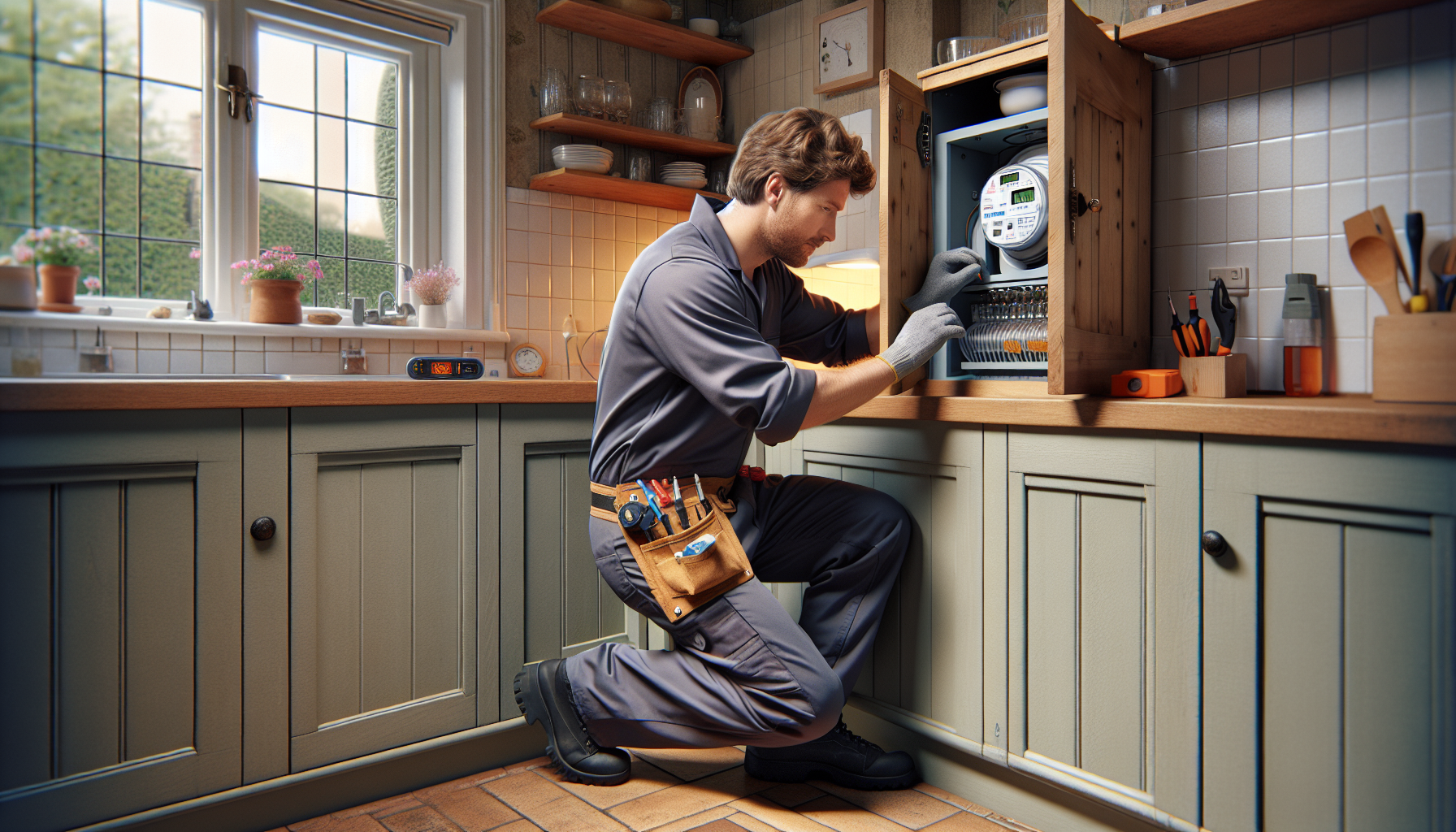
The rollout is spearheaded by energy suppliers, who are mandated by Ofgem to offer smart meters to all customers. However, the actual installation work is carried out by engineers, many of whom are self-employed or work for specialist installation companies.
How much can you earn?
Smart meter installers generally earn between £35,000 and £55,000 annually, with variations depending on experience and geographical location. Self-employed installers collaborating with meter installation companies, known as Meter Operator Agents (MOAs), often earn more, especially if they work across multiple energy suppliers.
A standard installation takes about 45 minutes to an hour for electricity only, or roughly 90 minutes for a dual fuel (gas and electric) setup. Most installers manage to complete 4 to 6 installations each day.
The rates vary by region and supplier, but you can expect to earn between £40 to £80 per installation as a subcontractor, or £25 to £35 per hour if employed directly. Additionally, installers in high-demand areas like London or other large urban centres might command higher rates than those in rural areas.
What qualifications do you need?
To install smart meters, specific accreditation beyond a standard electrical qualification is essential. The requirements are as follows:
For electricity smart meters
- A relevant electrical qualification (City & Guilds 2365/2357 or NVQ Level 3)
- Smart metering training through an accredited provider
- MCS (Meter Operator Code of Practice) accreditation
- A valid DBS check
For dual fuel (gas and electricity)
- All of the above, plus
- ACS (Gas Safe) registration for meter work
- MET1 or equivalent gas meter qualification
The training typically spans 2 to 4 weeks and costs between £2,000 and £4,000. Many MOAs will offer to cover the cost of your training in exchange for a minimum contract period, usually ranging from 12 to 24 months. This arrangement can be highly beneficial for those looking to enter the field without upfront costs.
How to get started
Option 1: Work for a Meter Operator Agent
The fastest way to enter the smart meter installation field is by joining an established MOA. Companies such as Morrison Energy Services, Calisen (now Calisen Metering), SMS (Smart Metering Systems), and Lowri Beck continuously recruit smart meter installers.
The advantages include steady work, often provided training, and the supply of a van and necessary equipment. However, this option might offer lower earning potential compared to self-employment and less flexibility in terms of working hours.
Option 2: Subcontract through an agency
Several agencies specialise in placing smart meter installers with MOAs on a self-employed basis. This path offers more control over your schedule and potentially higher earnings per installation. However, it requires having your own van and tools, which can be a significant initial investment.
Option 3: Offer smart meter services alongside your existing electrical business
If you are already running an electrical business, adding smart meter installation services can help fill gaps in your schedule and provide a consistent income stream. Typically, you would partner with an MOA rather than dealing directly with energy suppliers. This strategy can enhance your business's reputation and widen your customer base, especially in communities keen on adopting smart technology.
Equipment you will need
Most employers or MOAs will provide the necessary specialist equipment. However, if you opt to go self-employed, you will need to invest in the following:
Invoice your customers in 30 seconds
InvoiceAdept helps UK tradespeople send professional invoices, track payments, and stay MTD-compliant — all from your phone.
Start for free — no card needed- A smart meter commissioning device (around £500-£800)
- Standard electrical testing equipment (multimeter, voltage tester)
- A laptop or tablet for the commissioning software
- PPE (safety boots, hi-vis, hard hat for some sites)
- A reliable van with secure storage
Investing in high-quality tools and equipment can significantly impact your efficiency and the quality of your installations. It's worth considering the durability and reliability of these items, as they will be critical in ensuring your business runs smoothly and safely.
The future of smart metering
Even once the initial rollout is complete, ongoing work will remain. First-generation SMETS1 meters are being upgraded to SMETS2. Meters require replacement when they develop faults or reach the end of their operational life. Additionally, all new-build properties will require smart meters from the outset.
Beyond basic installation, the smart energy sector is expanding into areas such as:
- Home battery storage systems
- Solar panel integration with smart meters
- EV charger installation
- Smart home energy management systems
Electricians who develop expertise in smart energy technologies now will find themselves well-positioned as the UK advances towards its net-zero goals. The demand for skilled professionals in this sector is expected to grow, providing ample opportunities for career advancement and diversification.
Tax and invoicing considerations
If you work as a self-employed smart meter installer, managing your tax obligations is essential. This includes:
- Registering as self-employed with HMRC (or setting up a limited company if your earnings are substantial)
- Keeping detailed records of all income and expenses
- Filing a Self Assessment tax return
- Setting aside funds for tax and National Insurance contributions
Many smart meter installers operate under CIS (Construction Industry Scheme) rules, meaning 20% tax is deducted at source by the MOA. It's important to understand how this affects your overall tax obligations and to ensure you manage any additional tax payments required.
Using a proper invoicing system can help you track your installations and payments effectively, making tax time significantly less stressful. Keeping organised financial records will not only keep you compliant with HMRC but also provide insights into the profitability of your business.
Is it worth it?
For electricians seeking steady, well-paid work with clear career progression, smart meter installation is a viable option. The work is not disappearing anytime soon, the training investment is recouped quickly, and it opens doors to the broader smart energy sector.
The main drawbacks are the repetitive nature of the work and the fact that you often work to tight schedules set by the energy supplier, rather than setting your own pace. However, for many electricians, a mix of smart meter work and traditional electrical jobs provides the best balance of steady income and variety.
With the UK's commitment to reducing carbon emissions and enhancing energy efficiency, the demand for smart energy solutions is likely to increase. By positioning yourself as an expert in smart meter installation and related technologies, you can tap into this growing market and secure your place in a future where smart energy management becomes the norm in homes and businesses alike.
Stop chasing invoices. Get paid faster.
InvoiceAdept sends professional invoices in 30 seconds, with automatic payment reminders and one-click card payments. Built for UK tradespeople. Free to start, no card required.
Try InvoiceAdept free →Send your first invoice in under a minute · No credit card needed
Ready to get started?
InvoiceAdept helps UK tradespeople send invoices, track payments, and stay compliant — all from one place.
Start for freeNo credit card required