

Invoice numbering: how to set up a system that satisfies HMRC
Invoice numbering: how to set up a system that satisfies HMRC
Invoice numbering might seem minor, but errors can lead to issues with HMRC during an investigation. Setting up a proper system from the start helps avoid trouble.
This guide explains HMRC's requirements, practical formats, and managing any gaps or duplicates in your sequence.

What HMRC requires
HMRC's rule is simple: each invoice needs a unique number within a sequential series. The key points are:

- Numbers must be unique — no two invoices can have the same number
- Numbers must be sequential — you cannot skip randomly to a higher number
- Gaps in the sequence must be explainable — a cancelled invoice is acceptable if you keep it in your records
There's no requirement to start at 001 or use a specific format. You can use letters, numbers, or both. Consistency is what counts.
Invoice number formats that work
These formats are commonly used by UK sole traders and small businesses:
Simple sequential
001, 002, 003... Easy to start but doesn't indicate the year. Good for new businesses.
Year-based
2026-001, 2026-002... Resets to 001 each January. Useful for identifying the tax year of an invoice. Accepted by HMRC.
Year-month-based
2026-03-001, 2026-03-002... Shows when the invoice was issued. Handy if you issue many invoices.
Prefix-and-number
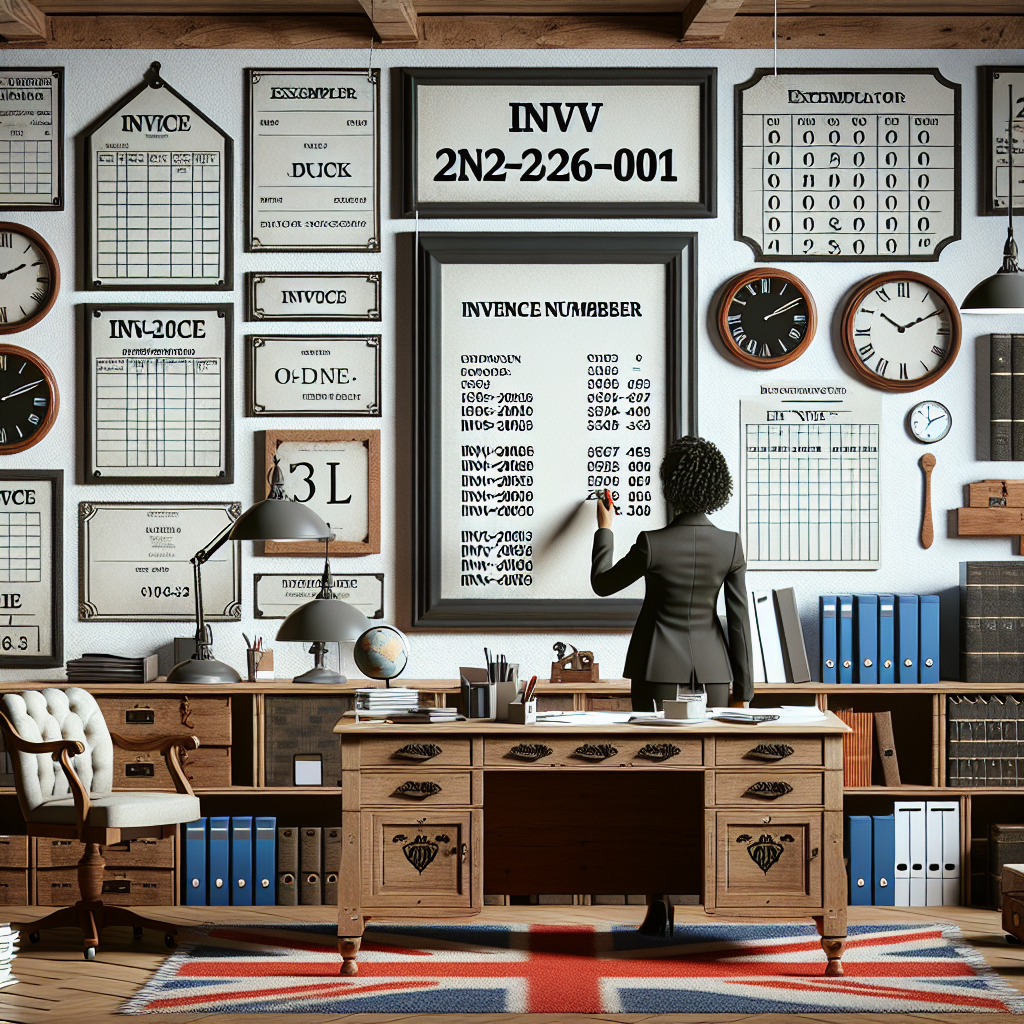
INV-2026-001, INV-2026-002... The INV prefix indicates it's an invoice, not a quote or credit note. Favoured by tradespeople using invoicing software.
Pick a format and stick with it. Changing formats mid-year can cause confusion at tax return time.
Can you reset the number each year?
Yes. Resetting your sequence to 001 on 1 January (or 6 April for the tax year) is fine if the year is part of the number format. So, INV-2025-047 followed by INV-2026-001 is acceptable. Without the year, jumping from 047 to 001 would appear as a gap, which HMRC might question.
Can you run multiple invoice sequences?
HMRC allows multiple sequential series at the same time, as long as each series is internally sequential. For example, a tradesperson handling both domestic and commercial work might use DOM-2026-001 for domestic jobs and COM-2026-001 for commercial ones. This is fine provided there are no unexplained gaps in either series.
What about credit notes and quotes?
Maintain separate sequences for different document types. A typical method:
- INV-2026-001 for invoices
- CN-2026-001 for credit notes
- QT-2026-001 for quotes
This ensures that if a credit note refers to INV-2026-018, there's no confusion about which document is meant.
What if you have gaps in your sequence?
Gaps happen. A cancelled invoice, a spoiled draft, a mistaken entry. HMRC doesn't penalise you for gaps as such — the key is having an explanation. If invoice INV-2026-023 is missing, you should be able to show it was cancelled or voided.
Invoice your customers in 30 seconds
InvoiceAdept helps UK tradespeople send professional invoices, track payments, and stay MTD-compliant — all from your phone.
Start for free — no card neededKeep cancelled invoices in your records with a note explaining why they were voided. Do not delete them entirely. This way, if HMRC ever queries the sequence, you have a clear explanation.
What if you have duplicate invoice numbers?
Duplicates are more serious than gaps. Sending two invoices with the same number — especially if they are for different amounts or customers — creates a real problem during an audit. HMRC can interpret duplicate invoice numbers as an attempt to conceal income or inflate costs.

If you discover you have accidentally issued duplicates, correct the error as soon as possible. Issue a new invoice with the correct number and send a note to the customer explaining the change. Keep a record of what happened.
Manual invoicing vs software
If you are still raising invoices manually in Word or Google Docs, you are responsible for maintaining the sequence yourself. This works fine for low volumes but becomes error-prone once you are handling more than a few invoices a week.
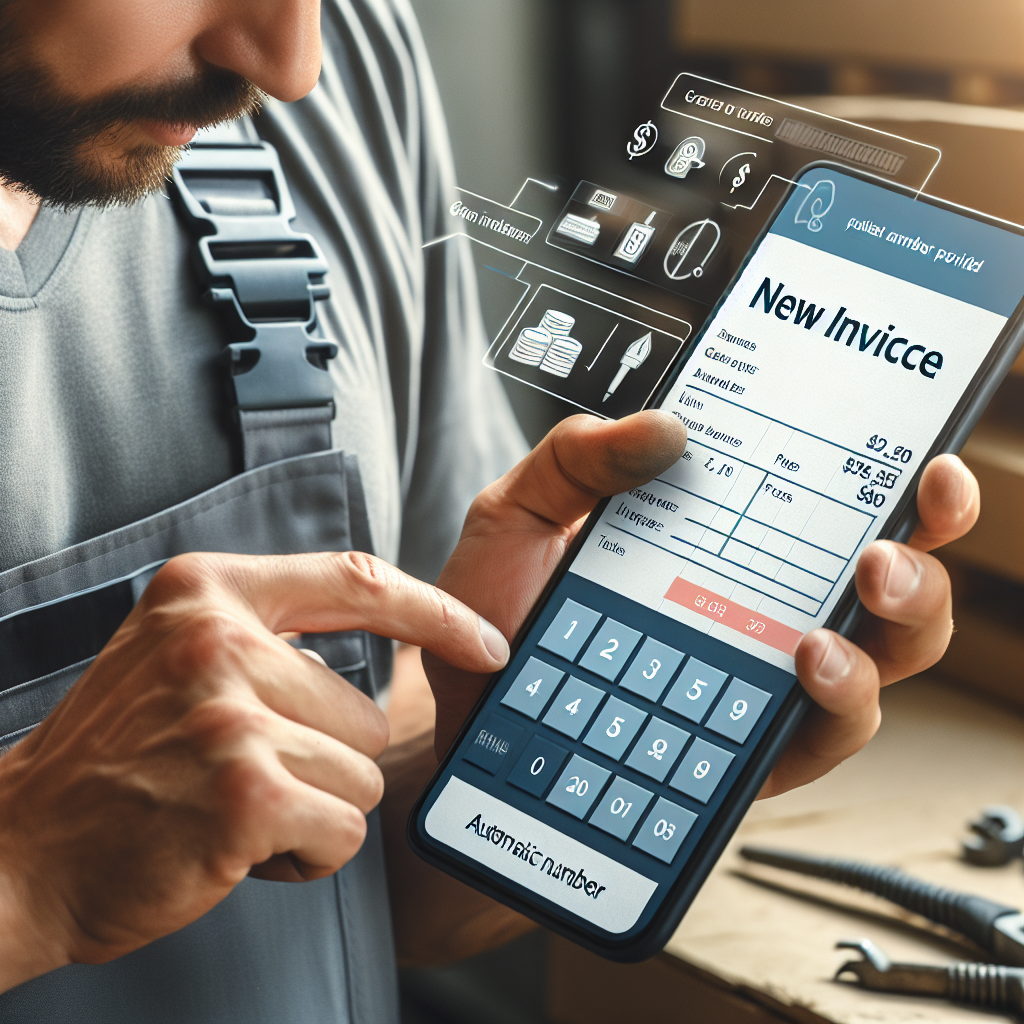
Invoicing software handles numbering automatically, ensures no duplicates, and gives you a complete audit trail. Our free invoice generator generates sequential numbers automatically every time you create a new invoice.
VAT invoices: same rules, extra importance
If you are VAT-registered, sequential invoice numbering is even more important. HMRC uses invoice numbers to verify your VAT return. If you claim input VAT on a purchase invoice from a supplier, HMRC may check that the supplier's records match yours. Gaps or duplicates on your sales invoices can trigger a broader enquiry into your records.
Under Making Tax Digital for VAT, you are already required to keep digital records. Using software that assigns invoice numbers automatically is the easiest way to stay compliant.
Dealing with correcting mistakes
Mistakes happen. Perhaps you realise an invoice was issued with the wrong date or incorrect details. Correcting these errors promptly is essential. Issue a credit note to nullify the incorrect invoice and then reissue the invoice with the correct details. This not only keeps your records straight but also shows HMRC that you are diligent about maintaining accurate and honest records.
Credit notes should follow the same sequential numbering rules. This ensures clarity in your financial records and provides a clear audit trail if needed. Avoid the temptation to simply delete incorrect invoices from your records. Transparency is key, and maintaining a clear paper trail helps protect you in the event of an HMRC audit.
The importance of keeping records
Keeping thorough records is indispensable for any business. Invoices are a primary component of these records. Each invoice you issue is a document that provides evidence of the transactions between you and your clients. They are the basis for your tax returns and your defence during an audit.
Store invoices securely, whether digitally or in hard copy. Digital records, especially, should be backed up regularly. Cloud storage solutions can provide both security and convenience. They allow you to access records from anywhere and offer protection against data loss from hardware failures.
Using templates and standardisation
Consistency in the format and content of your invoices is beneficial. Using templates helps maintain this consistency. A well-designed invoice template ensures all necessary information is included, such as your business details, the client's details, a description of the goods or services provided, the cost, and the due date for payment.
Moreover, standardised templates minimise the risk of missing critical information. They also speed up the invoicing process, as you do not have to start from scratch each time. Many software solutions offer customisable templates, allowing you to add your branding while ensuring all necessary elements are present.
Summary
Set up your invoice numbering system before you issue your first invoice and do not change the format midway through the year. Include the year in your format if you reset each year. Keep separate series for invoices, credit notes, and quotes. Retain cancelled or voided invoices so you can explain any gaps. For most tradespeople, the simplest solution is to use invoicing software that handles all of this automatically — one less thing to think about when you are trying to run a business.
Stop chasing invoices. Get paid faster.
InvoiceAdept sends professional invoices in 30 seconds, with automatic payment reminders and one-click card payments. Built for UK tradespeople. Free to start, no card required.
Try InvoiceAdept free →Send your first invoice in under a minute · No credit card needed
Ready to get started?
InvoiceAdept helps UK tradespeople send invoices, track payments, and stay compliant — all from one place.
Start for freeNo credit card required