

HMRC record keeping for the self-employed: what to keep and for how long
HMRC record keeping for the self-employed: what to keep and for how long
Keeping records might not be thrilling, but it's part of running a trade business. HMRC can hit you with a £3,000 fine for poor record keeping, and you could face extra taxes if you can't back your income.
Here's what records you need to keep as a self-employed tradesperson in the UK, how long to keep them, and some tips to simplify the task.

What records must you keep?
HMRC requires records of your business income and expenses. For tradespeople, this usually means:

Income records
- All sales invoices issued
- Bank statements showing payments received
- Records of cash payments received (like a cash book)
- Records of payments in kind (though rare, still count as income)
Expense records
- Receipts for materials and tools bought for the business
- Fuel receipts or a mileage log if claiming vehicle expenses
- Insurance premiums, subscription receipts
- Subcontractor invoices and CIS deduction statements
- Receipts for work clothing, equipment, or professional fees
Bank records
- Business bank statements for the whole period
- Records of personal funds transferred into the business
VAT records (if VAT-registered)
- All VAT invoices issued to customers
- All VAT receipts from suppliers
- VAT account (record of input and output tax each quarter)
- Copies of all VAT returns submitted
How long do you need to keep records?
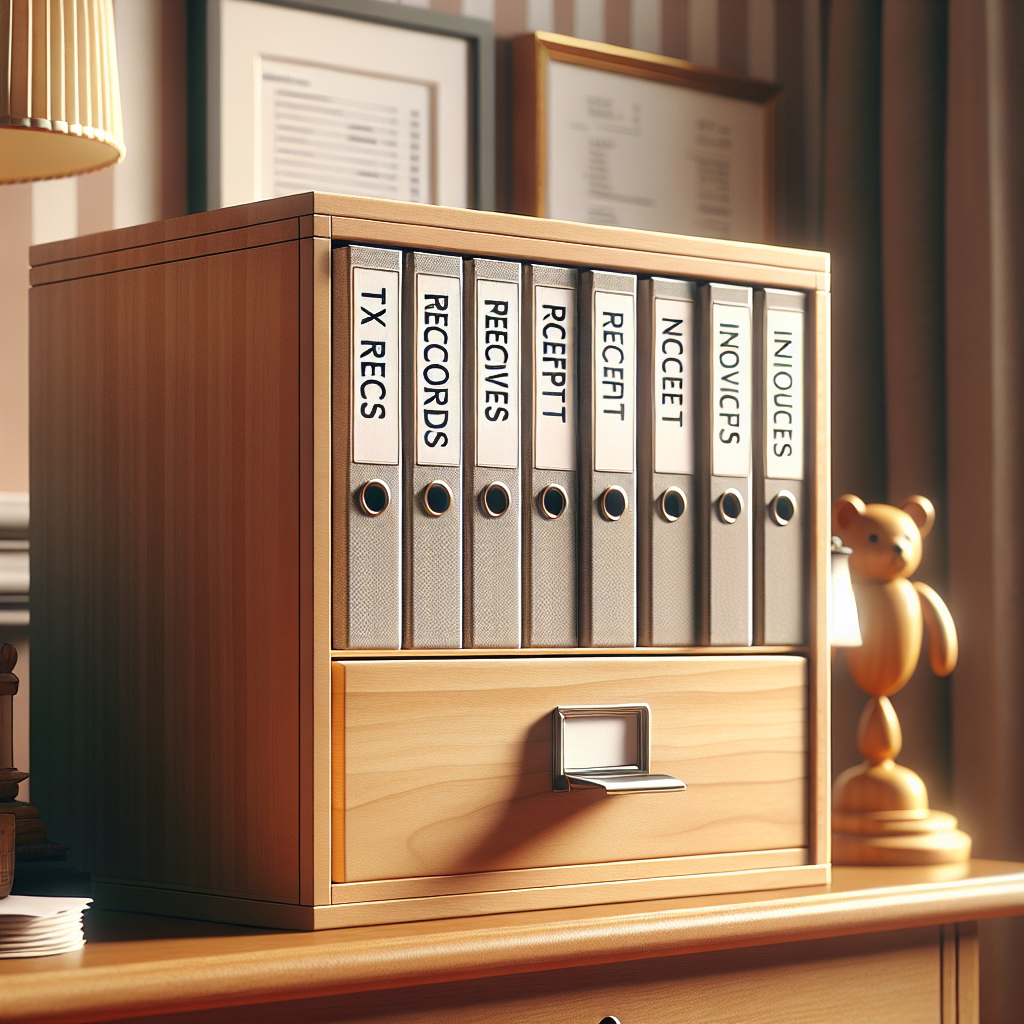
Generally, keep records for five years after the 31 January self-assessment filing deadline for the relevant tax year. For the 2024/25 tax year (filed by 31 January 2026), hold onto records until at least 31 January 2031.
However, HMRC and many accountants suggest keeping records for six years to be prudent, especially if you file late or have complex entries.
Some circumstances require longer retention:
- If you file your return over four years late, retain records for 15 months after filing
- If HMRC opens a fraud enquiry, you might need to keep records longer
VAT records
VAT records need to be kept for six years, longer than the basic income tax requirement. Under Making Tax Digital for VAT, they must also be kept digitally.
Do you have to keep digital records?
If VAT-registered, yes. Under MTD for VAT, digital records and MTD-compatible software for returns are necessary.
From April 2026, self-employed individuals earning over £50,000 must keep digital records under Making Tax Digital for Income Tax. Paper records and spreadsheets won't be adequate. From April 2027, the threshold drops to £30,000.
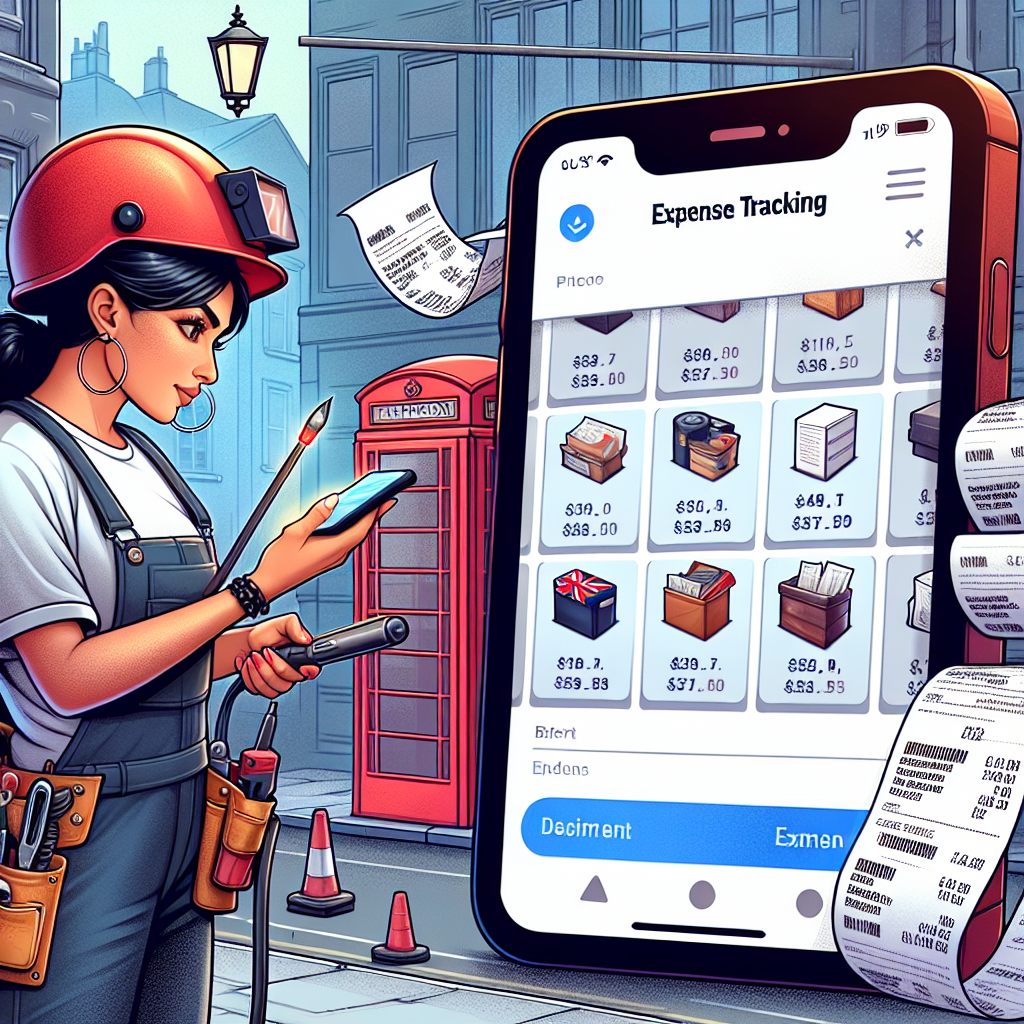
Even if below these thresholds, digital records are advisable. A digital receipt on your phone is easier to locate than a faded paper one behind the van seat.
What counts as an adequate record?
HMRC doesn't require a specific format. What matters is showing your income sources and business expenses. A scanned receipt on your phone counts. A spreadsheet listing all income and expenditure entries counts. A vague memory of spending does not.
For cash transactions, HMRC expects a contemporaneous record, meaning you noted it at the time, not months later. A simple cash book or a notes app on your phone works.
What happens if your records are inadequate?
If HMRC opens an enquiry and finds incomplete or missing records, they can:
Invoice your customers in 30 seconds
InvoiceAdept helps UK tradespeople send professional invoices, track payments, and stay MTD-compliant — all from your phone.
Start for free — no card needed- Estimate your income based on their own calculations, which may exceed reality
- Impose a penalty of up to £3,000 per tax year for failing to keep records
- Charge interest and further penalties on any additional tax assessed
HMRC is typically more interested in whether you've genuinely tried to keep records rather than prosecuting minor oversights. However, failure to account for significant income or expenses can have serious consequences.
Practical tips for tradespeople
Photograph receipts as you get them. A quick snap with your phone after buying materials ensures you don't lose a receipt. Most accounting apps let you attach photos directly to expense entries.

Keep a mileage log. If claiming vehicle expenses, a mileage log is essential. Record the date, destination, purpose, and miles for every business trip. Our mileage calculator can help calculate your claims.
Separate business and personal finances. A dedicated business bank account simplifies record keeping. You can easily distinguish business income and expenses without filtering out personal transactions.
Do a monthly reconciliation. Spend 30 minutes at the end of each month checking your bank statement against your invoices and expense records. Catching errors monthly is far easier than doing a year's worth of reconciliation in January.
Records to keep if you have employees or subcontractors
If you employ people, keep PAYE records for at least three years from the end of the tax year they relate to. If you use CIS subcontractors, retain records of all subcontractor invoices and CIS deduction statements for five years.
Useful tools
Our self-assessment calculator can help estimate your tax bill while maintaining records throughout the year. For a detailed look at allowable expenses, see our guide to allowable expenses for self-employed tradespeople.
Summary
Keep all income and expense records for at least five years after your self-assessment filing deadline, or six years for a safer margin. VAT records require six years. From April 2026, digital records are mandatory if you earn over £50,000. Use a dedicated business bank account, photograph receipts as you acquire them, and perform a quick monthly reconciliation. It's far easier to maintain records consistently than to try to piece them together later under pressure from HMRC.
Stop chasing invoices. Get paid faster.
InvoiceAdept sends professional invoices in 30 seconds, with automatic payment reminders and one-click card payments. Built for UK tradespeople. Free to start, no card required.
Try InvoiceAdept free →Send your first invoice in under a minute · No credit card needed
Ready to get started?
InvoiceAdept helps UK tradespeople send invoices, track payments, and stay compliant — all from one place.
Start for freeNo credit card required