

EV charging point installation: a business guide for electricians
Back in 2024, electric vehicle sales in the UK reached 1 million. With the government set to ban new petrol and diesel cars by 2035, the demand for home EV chargers is growing. This presents a valuable opportunity for electricians.
The size of the opportunity
There are now around 1.2 million battery electric vehicles on UK roads and 800,000 plug-in hybrids. By 2030, this number could rise to 9 million. Domestic EV charger installations can earn you between £800 and £1,500, while commercial jobs offer even more potential.
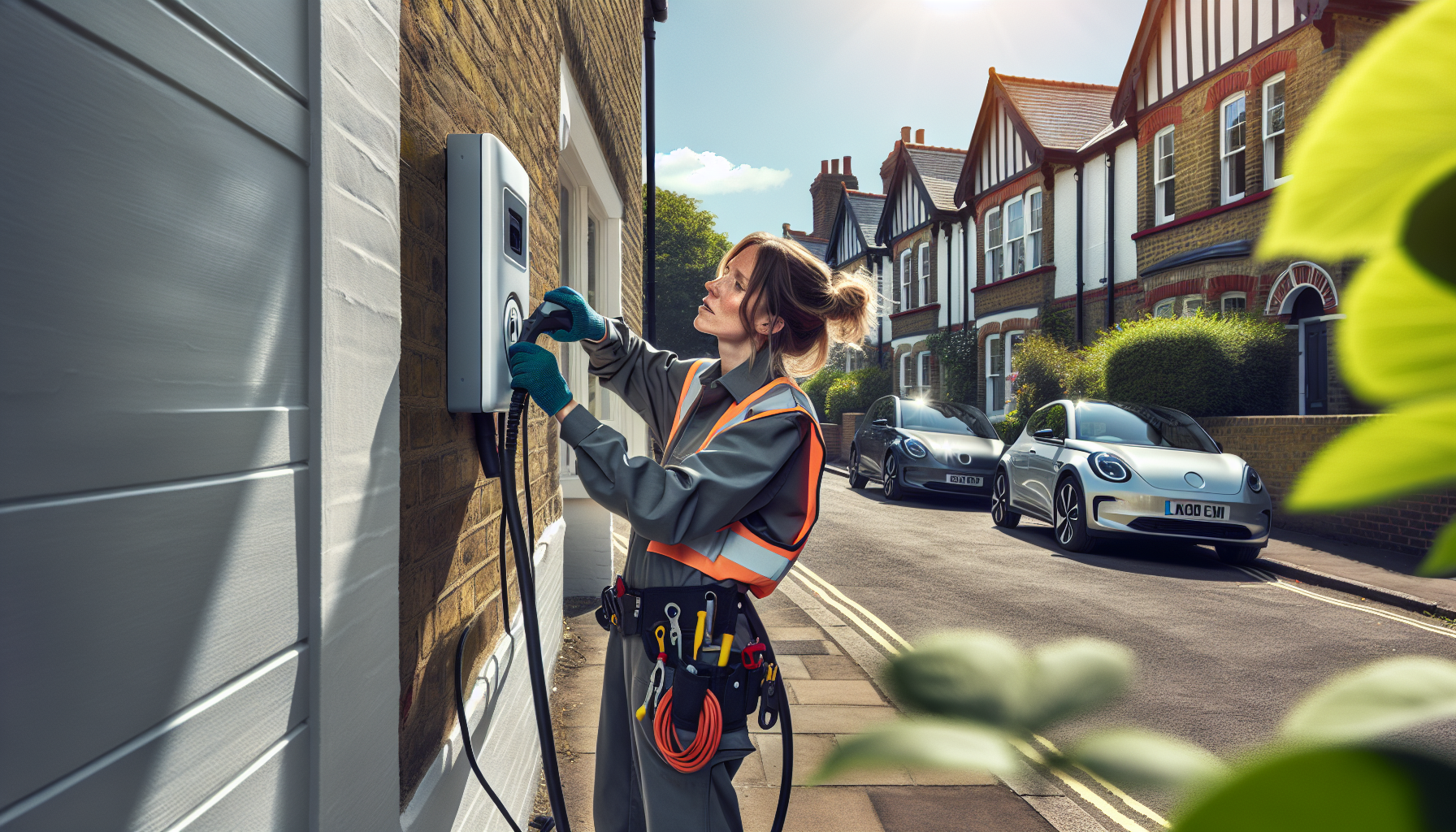
The market is growing by 30-40% each year, but there aren't enough skilled installers. In many areas, homeowners face a 4 to 8-week wait for installation due to a shortage of qualified electricians.
What qualifications do you need?
To install EV chargers, you need:
Essential
- A full electrical qualification (City & Guilds 2365/2357 or NVQ Level 3 in Electrical Installation)
- 18th Edition IET Wiring Regulations (BS 7671)
- An EV charger installation course (usually 1-2 days, £300-£600)
- Registration with a competent person scheme (NICEIC, NAPIT, or ELECSA)
Recommended
- OZEV (Office for Zero Emission Vehicles) approved installer status
- Manufacturer-specific training from charger brands (Zappi, Ohme, Easee, Pod Point)
- Part P Building Regulations certification
OZEV approved installer
To access the OZEV grant, you must be an OZEV-approved installer. This involves registration with a competent person scheme and completing specific training. Approval takes 2 to 4 weeks.
OZEV grant (Electric Vehicle Homecharge Scheme)
The OZEV grant offers up to £350 towards the cost of installing a home EV charger. It is available to:
- Homeowners in flats or rented properties
- Landlords installing chargers at rental properties
- Residents in buildings with dedicated parking
Note: Since April 2022, the grant is no longer available to homeowners in single-unit properties who own their home outright. However, it remains available for flat owners, renters, and landlords.
As an OZEV-approved installer, you apply for the grant on behalf of the customer and deduct it from their bill.
Workplace Charging Scheme
Businesses can claim up to £350 per charger (up to 40 chargers) through the Workplace Charging Scheme. This is separate from the domestic grant and opens up the commercial installation market.
Commercial installations are typically larger jobs (multiple chargers, load management systems, groundwork) and can be valued at £5,000 to £50,000 or more. They often lead to ongoing maintenance contracts.
How to price EV charger installations
A typical domestic installation includes:
Invoice your customers in 30 seconds
InvoiceAdept helps UK tradespeople send professional invoices, track payments, and stay MTD-compliant, all from your phone.
Start for free — no card needed- The charger unit itself (£500-£1,000 wholesale, or supplied by the customer)
- A survey visit (some installers charge separately, others include it)
- Installation labour (3-5 hours for a straightforward install)
- Cable and materials (6mm or 10mm twin and earth, consumer unit upgrades if needed)
- Electrical testing and certification
Typical pricing to the customer:
- Straightforward installation (charger near consumer unit, short cable run): £800-£1,000
- Standard installation (cable run up to 15m, minor earthing upgrade): £1,000-£1,300
- Complex installation (long cable run, consumer unit upgrade, groundwork): £1,300-£2,000+
Some installers include the charger in their price, while others let the customer buy their own. Including the charger gives you a markup on the unit but requires more working capital.
Use a proper quoting tool to produce professional quotes that break down the costs clearly.
Choosing which charger brands to install
The main brands in the UK domestic market are:

- Zappi (by Myenergi) - popular for solar integration, made in the UK
- Ohme - smart tariff integration, competitive pricing
- Easee - sleek design, easy to install, good app
- Pod Point - established brand, strong customer recognition
- Wallbox - wide range, good commercial options
- Tesla Wall Connector - for Tesla owners (requires Tesla-specific training)
Most installers partner with a couple of brands rather than stocking everything. Choose brands based on reliability, installer support, warranty terms, and profit margin.
Marketing your EV installation business
EV charger customers search online more frequently than most trades customers. Having a professional website with EV-specific content is important. Key things to include:
- Your OZEV approved installer status
- Which charger brands you install
- Clear pricing (even a "from" price helps)
- Photos of completed installations
- Customer reviews mentioning EV charger work
Also register on charger manufacturer directories. Zappi, Ohme, and Easee all have "find an installer" tools on their websites that drive leads to approved installers.
Building up Google reviews specifically mentioning EV charger installation will help you rank for local EV-related searches.
Running the business side
EV charger installation work is well-suited to running through a limited company, particularly if you are turning over more than £50,000 per year.
Keep on top of your invoicing. Send invoices on the day of installation and offer card payments to speed up cash collection. Use invoicing software to track jobs, send payment reminders, and monitor your cash flow.
Claim your training, certification, and tool costs as allowable expenses against your tax bill.
Future growth areas
EV charger installation is a gateway into the broader smart energy sector:
- Vehicle-to-grid (V2G) - using EV batteries to power homes and feed the grid
- Solar and battery integration - combining chargers with solar panels and home batteries
- Fleet charging - installing charging infrastructure for business vehicle fleets
- Public charging - destination chargers for hotels, restaurants, and car parks
- Smart meter installation - complementary work for qualified electricians
Electricians who establish themselves in EV charging now are building a business with strong growth potential for the next decade and beyond.
Stop chasing invoices. Get paid faster.
InvoiceAdept sends professional invoices in 30 seconds, with automatic payment reminders and one-click card payments. Built for UK tradespeople. Free to start, no card required.
Try InvoiceAdept free →Send your first invoice in under a minute · No credit card needed
Ready to get started?
InvoiceAdept helps UK tradespeople send invoices, track payments, and stay compliant — all from one place.
Start for freeNo credit card required